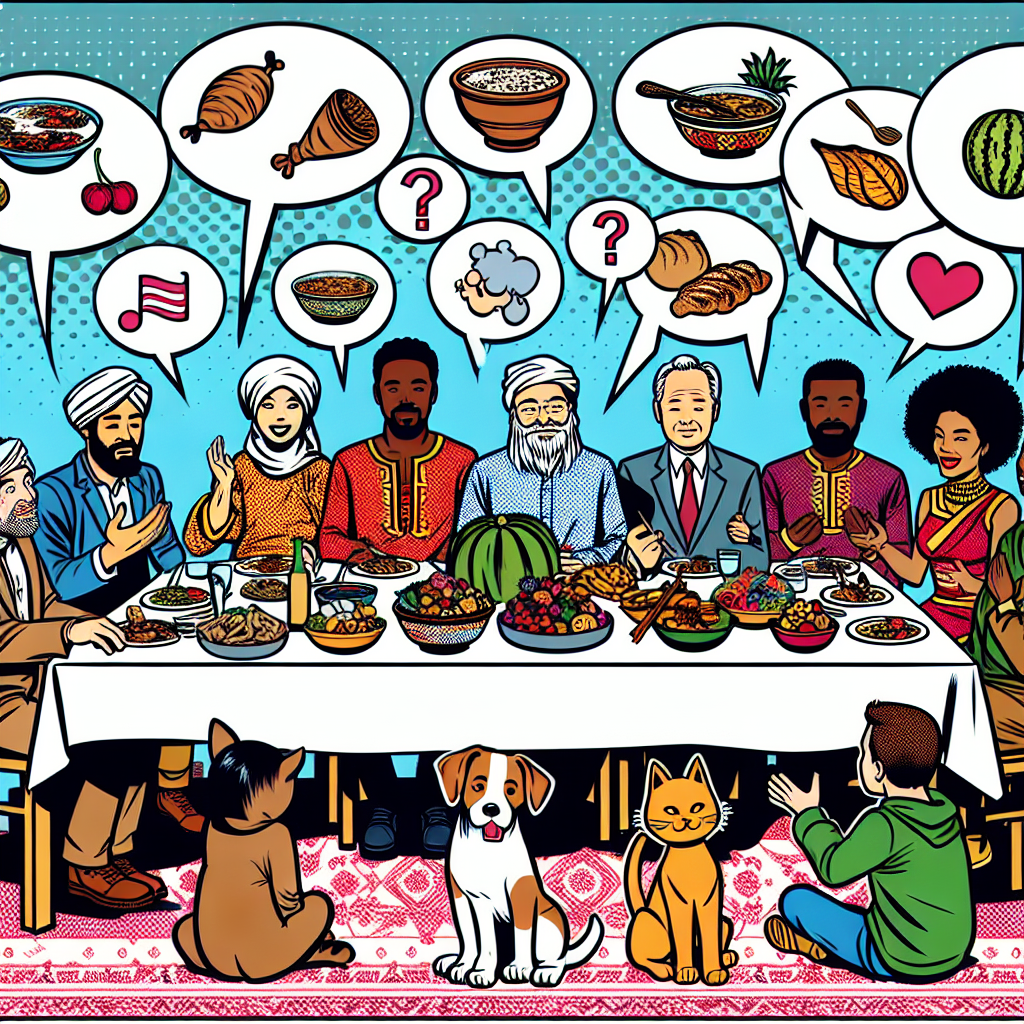
There has been a long-standing controversy surrounding the practice of eating cats and dogs among immigrant communities. While this may be a common practice in some cultures, it has sparked outrage and debate in many Western societies.
Immigrants from countries where consuming cat and dog meat is considered acceptable often face backlash and discrimination when they continue these traditions in their new homes. Many people view eating cats and dogs as cruel and inhumane, leading to calls for bans on the sale and consumption of such meats.
Despite these criticisms, some argue that it is important to respect cultural differences and not impose Western values on others. They point out that many Westerners eat meat from animals that are considered pets in other parts of the world, such as cows and pigs.
However, there are also concerns about the welfare of the animals involved. Cats and dogs are often subjected to horrific conditions before being slaughtered for their meat. This has led to calls for stricter regulations and enforcement to ensure that these animals are treated humanely.
Another issue is the potential health risks associated with consuming cat and dog meat. These animals are not raised for food purposes like cows or chickens, so there is a higher risk of diseases being transmitted through their meat. This has raised concerns about public health and food safety.
In response to these concerns, some countries have implemented laws banning the consumption of cat and dog meat. In the United States, for example, it is illegal to sell or consume such meats in most states. However, enforcement can be challenging due to cultural differences and lack of resources.
Ultimately, the controversy surrounding the practice of eating cats and dogs among immigrant communities highlights the complex issues at play when it comes to cultural traditions, animal welfare, and public health. It raises questions about how we define acceptable food practices and how we balance respect for different cultures with concerns about cruelty and safety.

Leave a Reply